






How Flash Cards Can Make Learning Fun for Kids
This post may contain affiliate links, which means I may earn a commission for purchases made through these links. Your support will encourage us to continue adding value to you through blogs like this. Learn more on my Private Policy page.
1) Introduction
Learning can often feel like a struggle for children, but it doesn’t have to be that way. In fact, with the right tools, learning can be a fun and enjoyable experience. One such tool that has been proven to enhance learning and make it more entertaining is flash cards. Flash cards have been used for years to reinforce important concepts and improve retention. From language skills to math equations, flash cards have the ability to engage children’s minds and make learning a game. In this blog, we will explore the benefits of using flash cards and how they can make learning fun for kids.
2) Flash Cards as Interactive Learning Tools
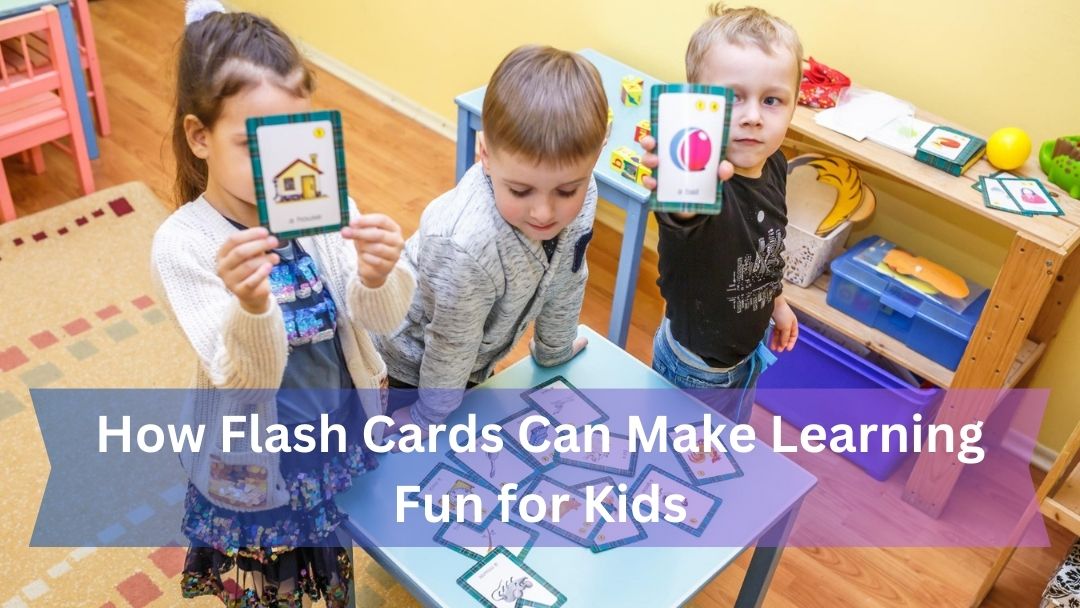
Flash cards are an excellent tool to make learning fun and engaging for kids. They provide a unique and interactive way for children to learn new concepts. With their engaging visuals and vibrant colors, flash cards captivate children’s attention and make learning an enjoyable experience. These cards encourage active participation as kids can actively engage with the information presented to them. This active participation helps children to remember and retain the information better. Moreover, incorporating games and quizzes into flash cards adds an extra layer of interactivity and challenge, making the learning experience even more exciting for kids.
1. Engaging Visuals and Colors
Flash cards with bright colors and appealing visuals are a surefire way to make learning more exciting for kids. These eye-catching flash cards grab children’s attention and make them eager to dive into the learning material. Additionally, the visual cues on flash cards help children associate images with words or concepts, which aids in memory recall. This means that not only are they having fun, but they are also effectively retaining the information they are learning. Beyond that, the colorful illustrations on flash cards can also spark creativity and imagination in children while they learn. They might even be inspired to create their own stories or draw their own illustrations based on the flash cards. This not only makes learning more enjoyable but also encourages their artistic side. Moreover, engaging visuals on flash cards create a multisensory learning experience that enhances comprehension. By combining images and colors with written information, children are able to process information using multiple senses, which improves their understanding and retention of the material. All in all, incorporating flash cards with bright colors, appealing visuals, and engaging illustrations can truly transform the learning experience for kids, making it both enjoyable and effective.
2. Interactive and Hands-On Learning Experience
Interactive flash cards are a game-changer when it comes to making learning an interactive and engaging experience for kids. These cards allow children to actively participate in the learning process, which not only improves their engagement but also enhances their retention of information. Instead of passively absorbing knowledge, kids can now actively engage with the material, whether it’s by answering questions, solving problems, or completing tasks. This hands-on approach not only makes learning more fun but also provides kids with the opportunity to practice new skills or reinforce concepts in an enjoyable and interactive way. Additionally, interactive features like flaps or movable parts on flash cards add an element of surprise and excitement to the learning experience. Kids love discovering what’s hidden beneath the flap or moving the parts to reveal new information. This not only keeps them engaged but also helps them develop problem-solving skills and boosts their curiosity. Furthermore, playing educational games with interactive flash cards is an excellent way to develop critical thinking skills in children. These games challenge kids to think creatively, analyze information, make connections, and strategize, all while having fun. They learn to think outside the box and develop a problem-solving mindset, which are crucial skills for success in academics and life. Overall, interactive flash cards provide a dynamic and stimulating learning experience that not only sparks kids’ curiosity but also promotes active learning and supports their cognitive development.


Skillmatics Flash Cards


Storio Flash Cards for Kids
3) Boosting Memory and Retention
Using flash cards can be incredibly beneficial for kids as they actively engage with the information, which helps boost their memory and retention skills. The act of reviewing flash cards repeatedly reinforces the learning and ensures that the information sticks in their minds. Regular practice with flash cards can greatly improve kids’ memory and recall abilities, allowing them to retain information more effectively. The visual and interactive nature of flash cards also contributes to enhanced memory and retention, as kids are able to associate images and visual cues with the information they are learning. Overall, flash cards provide a fun and engaging way for kids to learn while also strengthening their memory and retention capabilities.
1. Repetition and Reinforcement
Repetition is key when using flash cards as it strengthens neural connections in the brain. By reviewing the flash cards multiple times, kids have the opportunity to reinforce the information they are learning. This continuous reinforcement helps solidify their understanding and ensures that the concepts are retained in their long-term memory. Moreover, flash cards allow for repeated exposure to important facts and concepts in a fun and interactive way. This consistent use of flash cards not only promotes learning but also supports long-term memory retention in children. With each flip of a card, kids are actively engaging their brains and creating strong connections that will aid in their learning journey.
2. Active Participation and Engagement
Flash cards are an excellent tool for encouraging active participation in learning. As children flip through the cards, they are able to actively engage with the material by answering questions and solving problems. This interactive nature of flash card activities keeps children engaged and makes learning more enjoyable for them. Instead of passively absorbing information, kids become active participants in their own learning process through hands-on interaction with flash cards. And because they are actively engaged, they are more likely to remember the information presented on the cards. So not only are flash cards effective in teaching new concepts, but they also promote active learning and enhance retention of information.
4) Promoting Confidence and Independence
Flash cards can do more than just provide information; they can also help children gain confidence in their abilities. By using flash cards, kids have the opportunity to learn independently and at their own pace. This freedom allows them to take control of their learning journey and build confidence in their abilities. Additionally, flash cards promote critical thinking skills as children are required to analyze information and make decisions on their own. This process encourages them to think independently and develop their problem-solving abilities. Ultimately, using flash cards encourages kids to take initiative and be more independent in their learning, fostering not only knowledge acquisition but also a sense of empowerment in their educational pursuits.
1. Self-paced Learning
With flash cards, kids can learn at their own speed without feeling rushed. Whether they need more time to absorb the information or want to challenge themselves with advanced concepts, flash cards allow children to set their own pace. They can review the flash cards as many times as they need to fully understand the content. This flexibility ensures that no child is left behind and that every child has the opportunity to grasp the material at their own comfort level. Flash cards provide a flexible learning experience that adapts to each child’s individual needs. They can progress through different levels of difficulty with flash cards, promoting self-paced learning. Kids can feel a sense of accomplishment as they conquer each level, boosting their confidence and motivating them to continue their educational journey.
2. Achievement and Progress Tracking
Flash cards not only facilitate learning but also provide a tangible way for kids to see their progress and achievements. By regularly using flash cards, children can track their improvement over time. They can set goals with flash cards and celebrate their accomplishments when they achieve them. This sense of accomplishment motivates kids to continue learning and strive for even greater success. Moreover, using flash cards allows parents and teachers to monitor a child’s progress and identify areas for improvement. It enables them to tailor their teaching methods and provide additional support where needed. With the assistance of flash cards, children can actively engage in their learning journey and experience the joy of tangible progress and achievements.


Flash Cards, Talking Toys, Talking Flash Cards, Educational Toys


Skillmatics Thick Flash Cards
5) Creating a Positive Learning Environment
Flash cards have the power to create a positive learning environment for children. With their visually engaging and interactive nature, flash cards capture kids’ attention and make learning more enjoyable. Through active participation, children become more confident in their own learning abilities. They are not just passive recipients of information, but active participants in the learning process. Flash cards also promote independent learning and self-paced studying, allowing children to take control of their own educational journey. This fosters a positive attitude towards learning as kids feel empowered and motivated. Teachers can further enhance this positive environment by incorporating flash cards into their lessons, creating a supportive and encouraging atmosphere that motivates students to engage with the material.
1. Bonding and Collaboration
Using flash cards in group activities not only enhances learning but also promotes bonding and collaboration among children. When kids work together to solve problems or answer questions using flash cards, they develop a sense of camaraderie and teamwork. Flash card games further encourage turn-taking, cooperation, and friendly competition, which not only improves social skills but also builds and strengthens relationships between peers. Through collaborative learning with flash cards, children have the opportunity to learn from each other’s strengths and develop empathy towards their classmates or siblings. Engaging in flash card activities together creates shared experiences that can strengthen bonds and create lasting memories.
2. Fun and Enjoyable Learning Experience
The use of colorful images on flash cards makes learning enjoyable for kids, capturing their attention and sparking curiosity. When children are presented with vibrant and visually appealing flash cards, it immediately piques their interest and makes the learning process more engaging. Incorporating fun activities like matching games or role-playing with flash cards turns learning into an exciting experience for children. By adding an element of playfulness to the learning process, kids are more likely to stay focused and actively participate. Flash card games allow for repetition without feeling monotonous, making the learning process more fun and engaging. Instead of simply reciting information, children can play games that involve using the flash cards, reinforcing their knowledge in a way that feels entertaining and enjoyable. Additionally, the element of surprise in using flash cards adds an element of excitement to the learning experience, keeping children motivated and eager to participate. Whether it’s revealing a new flash card or discovering the correct answer, the element of surprise adds an extra layer of engagement to the learning process.
6) Frequently Asked Questions
1. What are flash cards?
Flash cards are a learning tool that consists of small cards with information on them. They are usually used to help children practice and memorize different subjects such as vocabulary words, math equations, or historical facts. But beyond just being a study aid, flash cards can make learning fun for kids by turning studying into a game-like activity. By incorporating colorful images and interactive elements, flash cards provide a visual and interactive way for children to engage with the material and reinforce their understanding. This interactive approach takes the monotony out of studying and transforms it into an exciting and enjoyable experience for young learners.
2. How can flash cards make learning fun?
Flash cards have the incredible ability to engage children in a playful and interactive way. By using flash cards, kids can practice their memorization skills while having a ton of fun. The interactive nature of flash cards keeps children actively involved in the learning process, encouraging them to stay engaged and focused. Additionally, the visual and colorful nature of flash cards makes learning even more exciting for kids. The vibrant images on flash cards capture their attention and spark their curiosity, making the learning experience not only educational but also enjoyable.
3. What subjects can be taught using flash cards?
Flashcards are versatile tools that can be used to teach various subjects to children. In math, concepts such as addition, subtraction, multiplication, and division can be easily introduced using flashcards. With colorful visuals and clear representations, children can grasp these mathematical concepts more easily. In language arts, flashcards are highly effective for teaching vocabulary words and spelling. By presenting words on flashcards and using them in sentences, children can develop a strong foundation in language skills. Flashcards also come in handy for teaching science topics, such as the names of different animals or the properties of matter. Through flashcards, children can engage with these subjects in a fun and interactive way, enhancing their learning experience.
4. Where can I buy flash cards for kids?
There are multiple places where you can find flash cards for kids. Educational stores such as Toys R Us or Learning Express offer a variety of flash cards for different age groups and subjects. Online retailers like Amazon and Walmart also have a wide selection of flash cards that you can conveniently purchase from the comfort of your home. If you prefer shopping in person, check out your local bookstore or stationery store, as they often carry flash cards for various subjects. Additionally, some schools and daycare centers may sell educational materials, including flash cards. Reach out to them and inquire about purchasing options.
7) Conclusion
In conclusion, flash cards are a powerful tool that can make learning fun and engaging for kids. The visually engaging and interactive nature of flash cards captures children’s attention and sparks their curiosity. By incorporating fun activities and games, learning becomes an exciting experience that keeps kids focused and motivated. Flash cards also promote active participation and independent learning, empowering children to take control of their own educational journey. Moreover, using flash cards allows for repetition and reinforcement, which boosts memory and retention. Children can track their progress and celebrate their achievements, fostering a positive learning environment and promoting confidence and independence. Flash cards also provide opportunities for bonding and collaboration, strengthening relationships and developing social skills. Overall, flash cards enhance the learning experience by making it enjoyable, interactive, and personalized, setting children up for success in their educational endeavors.
Lishika’s choice of the day