







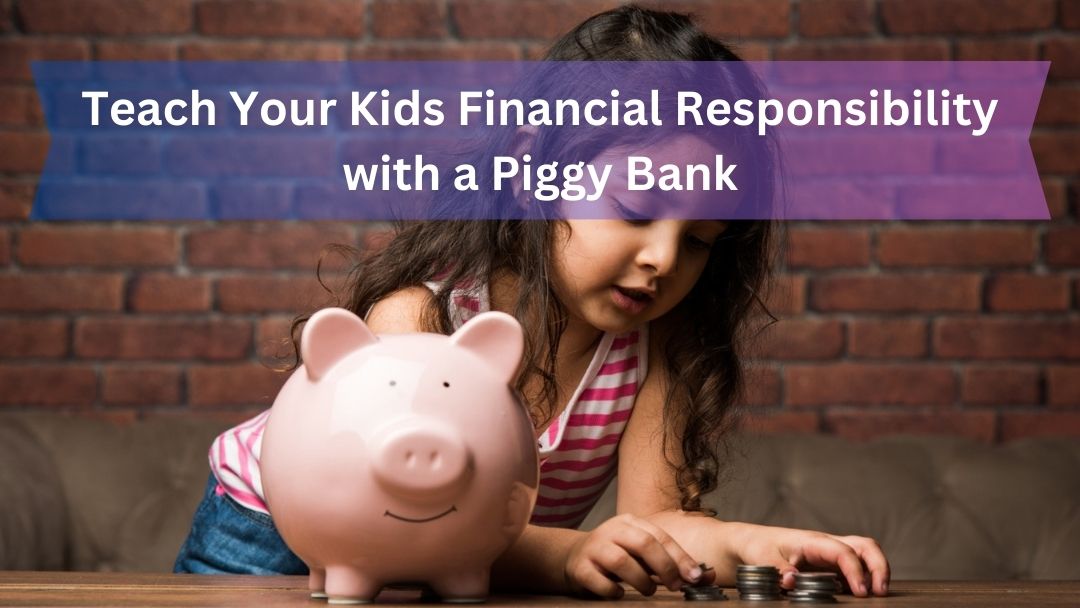
Teach Your Kids Financial Responsibility with a Piggy Bank
This post may contain affiliate links, which means I may earn a commission for purchases made through these links. Your support will encourage us to continue adding value to you through blogs like this. Learn more on my Private Policy page.
1) Introduction
Teaching children financial responsibility is a skill that will benefit them throughout their lives. One fun and effective tool to introduce your kids to the world of saving and money management is a piggy bank. Not only does it provide a tangible way for kids to see their savings grow, but it also opens the door for important conversations about spending, budgeting, and the value of money. In this blog post, we will explore the numerous benefits of using a piggy bank to teach your kids about financial responsibility and provide some practical tips for getting started.
2) Importance of Teaching Financial Responsibility to Kids
Teaching kids financial responsibility at a young age sets a foundation for future financial success. By introducing them to the concept of money management, they can develop important life skills that will serve them well as adults. One of the benefits of teaching financial responsibility to kids is that they learn the value of saving and budgeting. By having a piggy bank, children can start saving small amounts of money and watch it grow over time. This instills in them the importance of delayed gratification and helps them understand the significance of long-term financial planning. Additionally, when kids are involved in budgeting their money, they become more aware of their expenses and learn to prioritize their needs over wants. This early exposure to financial responsibility lays the groundwork for them to become financially independent and make wise financial decisions in the future.
1. Setting a Foundation for Future Financial Success
Introducing kids to the concept of saving money through a piggy bank helps set a foundation for future financial success. By providing them with a tool to collect and store their money, they are encouraged to develop the habit of saving from a young age. This simple act allows kids to see the tangible results of their efforts and understand the value of money. Furthermore, teaching kids about the different denominations of coins and bills can help them understand the value of money. By familiarizing them with the various forms of currency, they can grasp the notion that different coins and notes have different worths. This knowledge is crucial for them to make informed decisions about spending and saving their money.In addition to learning about the value of money, teaching kids to set goals and save money towards those goals is an important lesson in delayed gratification. By setting achievable targets, such as saving money for a toy or a special outing, children learn to wait and resist the immediate desire for instant gratification. This ability to delay their wants fosters discipline and self-control, qualities that will benefit them significantly in their financial journey later in life. Moreover, engaging in activities like counting and sorting money with a piggy bank not only teaches kids the practical aspects of handling money but also helps them develop essential math skills. As they count their coins and organize them into different denominations, they sharpen their numeracy abilities and become more familiar with numbers and simple calculations. This hands-on approach to learning makes the concept of math more enjoyable and relatable for children, contributing to their overall mathematical development. By using a piggy bank as a financial tool and introducing children to the idea of saving, parents can instill in their kids the importance of delayed gratification and financial responsibility. Through activities like counting money and setting goals, children develop valuable life skills that will benefit them in their personal and financial lives. So, start early and empower your kids to become financially responsible individuals with the help of a humble piggy bank.
2. Developing Smart Saving Habits
Using a piggy bank to save money teaches kids the habit of saving for the future. By giving them a designated place to deposit their money, children learn the importance of setting money aside for later use. This helps them understand that money is not just meant to be spent immediately, but can be saved for bigger goals or emergencies. By regularly depositing money into a piggy bank, kids learn the concept of consistency and building savings over time. They see how their small contributions gradually add up and can witness the growth of their savings. This instills in them the value of patience and delayed gratification, as they realize that saving a little bit each time can lead to a larger sum in the long run. Encouraging kids to save a portion of their allowance or earnings helps develop smart saving habits. They start to develop the mindset of setting aside a portion of their income for saving, rather than spending it all. This helps them to be mindful of their spending and prioritize saving for their future needs and wants. Furthermore, kids who develop smart saving habits through a piggy bank are more likely to become financially responsible adults. They gain an understanding of the importance of saving, budgeting, and long-term financial planning. These skills will benefit them throughout their lives as they navigate their personal finances and make wise financial decisions.


FunBlast Piggy Bank for Kids – Unicorn Themed Money Saving Tin Coin Bank with Lock and Key – Birthday Return for Boys & Girls, Money Bank, Coin Box for Kid


FunBlast Piggy Bank for Kids – Space Money Saving Tin Coin Bank with Lock and Key – Birthday Return for Boys & Girls, Money Bank, Coin Box for Kids, Metal Coin Box for Kids (
3) Rewarding and Incentivizing Saving Habits
By offering rewards and incentives for regular saving, you can motivate your child to develop good financial habits. Consider giving your child a small allowance for completing specific chores or tasks. This can help teach them the value of saving money. By earning money through their efforts, they begin to understand that money is earned through hard work and should be saved for future goals. You can also provide your child with a savings goal and offer a reward once they reach it. This will encourage them to save consistently and work towards a goal. Whether it’s saving for a new toy or a special outing, having a tangible goal gives them something to work towards and motivates them to continue saving. Another way to incentivize saving is by matching your child’s savings contributions. For example, if they save $10, you can contribute an additional $10 as a reward. This not only doubles their savings but also shows them the power of saving and the benefits of consistent contributions. Matching their savings also reinforces the importance of saving and encourages them to continue saving in the future.
1. Offering Incentives for Regular Saving
One way to offer incentives for regular saving is by setting up a savings jar system. Each time your child saves money, they can add it to their jar and watch it grow. This visual representation of their savings progress can be motivating and exciting for them. They will enjoy seeing their jar fill up over time and witnessing the tangible results of their saving efforts. It also teaches them the concept of accumulation and how small amounts can gradually build up to a larger sum. Consider creating a reward chart where your child can track their saving progress. Once they reach a certain milestone, they can earn a small reward or treat. This gives them a sense of accomplishment and satisfaction for reaching their goal. It also reinforces the idea that saving money can lead to enjoyable rewards and encourages them to continue saving in the future. To further incentivize regular saving, you can introduce a savings challenge. For example, challenge your child to save a certain amount of money within a month, and if they succeed, they can choose a special activity or purchase they’ve been wanting. This adds an element of excitement and competition to the saving process, making it more engaging for children. It also gives them something specific to work towards and motivates them to save consistently. Offering interest on your child’s savings can also be a great incentive. You can explain to them how their money can grow over time with the power of compound interest. This teaches them the importance of long-term saving and the benefits of letting their money accumulate. By offering them interest on their savings, you are not only providing an extra incentive to save, but also introducing them to the concept of earning passive income. This can be a valuable lesson that they can carry with them into adulthood.
2. Celebrating Milestones and Achievements
Celebrate your child’s financial milestones, such as reaching a savings goal or saving a certain amount of money. This will reinforce their accomplishments and encourage them to continue saving. By acknowledging their hard work and dedication, you are showing them that their financial responsibility is valued and important. Consider planning a small celebration when your child successfully completes a savings challenge or reaches a specific monetary milestone. It could be a special dinner or outing as a reward for their efforts. This celebration not only acts as a motivation for them to keep saving but also creates lasting memories and positive associations with financial responsibility. They will feel proud of their achievements and more motivated to continue practicing good financial habits.In addition to celebrating milestones, you can create a system where your child can earn badges or certificates for reaching financial goals. This will give them a sense of achievement and encourage them to keep saving. Just like earning badges in other areas of life, such as in school or extracurriculars, receiving recognition for their financial accomplishments can be highly motivating. It serves as a visual representation of their progress and allows them to proudly display their financial achievements. Consider designing colorful certificates or badges that they can collect and display in their room. This not only reinforces their financial responsibility but also boosts their self-confidence and sense of accomplishment. Encourage your child to share their financial achievements with family and friends. This will not only build their confidence but also inspire others to develop good saving habits. Celebrating your child’s milestones as a family creates a supportive and encouraging environment. By sharing their successes with loved ones, your child will feel even more motivated and proud of their financial responsibility. It can also spark conversations about money management and saving among family and friends. Others may be inspired by your child’s achievements and decide to implement similar strategies with their own children. This creates a positive ripple effect, spreading the importance of financial responsibility and teaching valuable lessons to others.
4) Continuing Financial Education Outside the Piggy Bank
One way to continue financial education outside the piggy bank is by teaching kids about opening a bank account. This allows them to learn about saving, interest rates, and banking services. By taking them to the bank and helping them open their own account, you can introduce them to the concept of depositing money, earning interest, and tracking their savings. This experience will not only teach them about the functionality of a bank but also instill a sense of responsibility and ownership over their finances. It’s a great opportunity to explain why it’s important to save money in a safe and trusted institution and how their money can grow over time.Another way to continue financial education outside the piggy bank is by exploring other investment options. As kids get older, it’s valuable to teach them about stocks, bonds, and mutual funds. Explain to them the basic principles of investing and the potential benefits and risks involved. You can even use real-life examples to help them understand how investments can grow over time. This knowledge will empower them to make informed financial decisions in the future and open their minds to the world of wealth building. Teaching kids about budgeting is another important aspect of financial education outside the piggy bank. By introducing them to the concept of creating a budget, you are teaching them the importance of managing money and making informed financial decisions. Start by helping them identify their sources of income, such as allowance or money earned from chores, and then guide them through categorizing their expenses. Encourage them to save a portion of their income and allocate money for different goals, such as short-term purchases or long-term savings. This hands-on experience will give them a practical understanding of budgeting and the value of prioritizing their spending. Financial literacy workshops and online courses are great resources for continuing financial education outside the piggy bank. These workshops and courses can provide kids with valuable knowledge and skills related to budgeting, saving, and investing. They often cover topics such as understanding credit, managing debt, and making smart financial decisions. By enrolling your kids in these programs, you are exposing them to different perspectives and strategies for handling money. They can interact with experts in the field and learn from real-life examples, which can further enhance their financial literacy and confidence in managing their finances. Remember, teaching your kids about financial responsibility goes beyond the piggy bank. By introducing them to the world of banking, investing, budgeting, and financial education resources, you are equipping them with the tools and knowledge they need to make smart financial decisions throughout their lives. Encourage them to explore these opportunities and continue their journey towards financial independence.
1. Opening a Bank Account
When teaching kids about opening a bank account, it’s crucial to emphasize the importance of choosing a reliable and trustworthy bank. Discuss with them the different types of bank accounts available, such as savings accounts and checking accounts, and explain the features and benefits of each. Teach them how to deposit and withdraw money from a bank account, as well as how to read and understand bank statements. By teaching them these skills, you are equipping them with the knowledge they need to confidently manage their finances. Encourage them to set savings goals and track their progress using their bank account, teaching them the importance of saving money for their future.
2. Exploring Other Investment Options
Introducing kids to the concept of investing is a crucial step in their financial education journey. Explain to them how investing can help their money grow over time, emphasizing the importance of long-term goals. Discuss different investment options, such as stocks, bonds, and mutual funds, and the risks and potential rewards associated with each. By teaching them about diversification, you are instilling the idea of creating a balanced investment portfolio. Encourage kids to research and analyze potential investment opportunities, teaching them valuable critical thinking and decision-making skills. This knowledge will empower them to make informed financial decisions in the future and foster a mindset of wealth building.


Wood Art Store Wooden Money Box with Lock Piggy Bank Coin Box Children Gifts


Dox Box Personalised/Customised Name Jungle Safari Theme Piggy Bank
5) Frequently Asked Questions
1. Why is it important to teach kids financial responsibility?
Teaching kids financial responsibility from a young age is crucial for their future success. By instilling important money management skills in them early on, we are setting them up for a lifetime of financial stability. Not only will they be able to avoid financial difficulties in the future, but they will also develop good financial habits that will benefit them throughout their lives. When children learn about budgeting and saving, they are gaining essential knowledge that will help them make smart financial decisions. Moreover, this early education can teach them the value of hard work and the importance of delayed gratification. By teaching kids about money and financial responsibility, we are empowering them to become financially independent adults who are capable of managing their finances wisely.
2. How can a piggy bank help teach kids about saving money?
A piggy bank can be a powerful tool for teaching kids about financial responsibility. Not only does it provide a fun and hands-on way for them to save money, but it also instills important lessons about delayed gratification, goal setting, and budgeting. By giving kids a tangible way to see their savings grow, a piggy bank teaches them the value of patience and the rewards that come with saving. It encourages them to set goals and work towards them, as they witness their savings building up and feel motivated to save even more. Furthermore, using a piggy bank helps kids understand the concept of budgeting, as they have to make decisions about how much money to save and how much to allocate towards other expenses. This early exposure to budgeting can lay a solid foundation for their financial future.
3. Are there any other ways besides a piggy bank to teach kids about financial responsibility?
Yes, another way to teach kids about financial responsibility is by setting up a savings account for them. This allows them to see their money grow over time and learn the importance of saving. You can take them to the bank and help them open their own account, explaining how the bank keeps their money safe. Encourage them to regularly deposit a portion of their allowance or earnings into the account, showing them the power of consistent saving. By experiencing the process firsthand, they will develop a sense of responsibility and start to understand the value of financial planning.You can also introduce them to the concept of budgeting by giving them a set amount of money each week and encouraging them to spend it wisely. This hands-on approach teaches them the importance of making choices and prioritizing their expenses. They can decide how much to save, how much to spend, and whether to allocate any money for long-term goals. By involving them in the budgeting process, you empower them to make informed financial decisions and develop good money management habits early on. Teaching kids about financial responsibility can also be done through activities like playing board games that involve managing money. Games like Monopoly or The Game of Life provide a fun and interactive way for kids to learn about budgeting, saving, and making financial decisions. They can experience the consequences of their choices in a safe and controlled environment, learning valuable lessons about money along the way. These games also promote healthy competition and cooperation, fostering essential skills like strategic thinking and problem-solving. Additionally, you can involve your kids in everyday financial decisions and discussions to help them understand the importance of making wise financial choices. For example, when grocery shopping, you can explain the concept of comparing prices, looking for deals, and making a shopping list based on a set budget. When planning a family outing, involve them in the process of researching prices, setting a budget, and finding ways to save money. By including them in these discussions, you show them that financial responsibility is an ongoing process that extends beyond specific activities or lessons. By incorporating these strategies into your child’s education, you are setting them up for a lifetime of financial success. Teaching them about savings accounts, budgeting, and involving them in everyday financial decisions will equip them with the knowledge and skills they need to make wise financial choices as they grow older. So, start early and watch them blossom into financially responsible individuals.
6) Conclusion
In conclusion, teaching your kids financial responsibility is an essential step in setting them up for future financial success. By introducing them to the concept of saving and offering incentives for regular saving, you are instilling smart saving habits that will benefit them throughout their lives. Celebrating milestones and achievements encourages them to stay motivated and continue practicing financial responsibility. However, financial education doesn’t stop at the piggy bank. It’s important to continue teaching your kids about budgeting and managing money outside of their savings. By helping them create a budget and introducing them to resources like financial literacy workshops and online courses, you are equipping them with the tools they need to make informed financial decisions. Opening a bank account and exploring other investment options, such as stocks and bonds, can further enhance their financial education. These experiences will give them practical understanding and critical thinking skills that will benefit them as they navigate their financial future. In the end, teaching your kids about financial responsibility goes beyond just the piggy bank. It’s about setting them up for a lifetime of financial independence and success.
Lishika’s choice of the day